
Every generous act of giving, with every perfect gift, is from above, coming down from the Father of lights, with whom there is no variation or shadow due to change. In fulfillment of his own purpose he gave us birth by the word of truth, so that we would become a kind of first fruits of his creatures.
You must understand this, my beloved: let everyone be quick to listen, slow to speak, slow to anger; for your anger does not produce God’s righteousness. Therefore rid yourselves of all sordidness and rank growth of wickedness, and welcome with meekness the implanted word that has the power to save your souls.
But be doers of the word, and not merely hearers who deceive themselves. For if any are hearers of the word and not doers, they are like those who look at themselves in a mirror; for they look at themselves and, on going away, immediately forget what they were like. But those who look into the perfect law, the law of liberty, and persevere, being not hearers who forget but doers who act-they will be blessed in their doing.
If any think they are religious, and do not bridle their tongues but deceive their hearts, their religion is worthless. Religion that is pure and undefiled before God, the Father, is this: to care for orphans and widows in their distress, and to keep oneself unstained by the world.
———————————————————————————————————-
This is the Epistle selection from the Episcopal Lectionary for the Fifteenth Sunday after Pentecost, Year B 2018. In the numbering system that lists each Sunday in an ordinal fashion, this Sunday is referred to as Proper 17. It will next be read aloud in an Episcopal church by a reader on Sunday September 2, 2018. It is important because James, the brother of Jesus and a Saint, told how one must be the kingdom of Christ, fully devoted to serving God the Father.

James wrote in the same manner as did Paul. This is because Saints do not write to display their ability with language, but because God leads them to send a letter. Thus, all Saints speak the language of God, which appears to the eyes of a novice to be ordinary language. Novices translating the texts of Saints into words means most miss the depth each letter contains.
Here is a breakdown of this segment of James’ first chapter, based on the literal words written, the implied punctuation, and the translations of the Bible Hub Interlinear presentation [or viable substitutes]:
17 “every act of giving good ,” One needs to realize that the acts of giving are those of God to each of His beloved. It is God’s gifts [those of the Holy Spirit] that make one’s soul cleansed of sin, thus good. When one preaches that giving by human beings makes one good, as “every act of giving is good,” that only holds truth when everyone has something good to give. That error makes it seem as if one is bad, when one is impoverished. It also raises the question, “How much good giving will God expect from me?” When the giving is left up to God, then the good given that is given to others is the Holy Spirit; but only God can give that. An Apostle-Saint can only announce, “The kingdom of God has come near,” and let the seekers also marry God and be given His gifts of goodness.
“and every gift perfect ,” Perfection is a characteristic of God. Humans are all flawed [sinners] until washed clean through Spiritual baptism. Then, a Saint becomes a reflection of the perfection of God, whose gifts come from that perfection [not manmade money or donated material goods].
“from above is ,” Above is Heaven, the Spiritual realm of God. “Above” is one’s elevated spiritual presence, when one is raised up, above the plane of physical wants and desires.
“coming down from the Father the [one] of lights ,” Again, we are raised up when God comes to the earthly plane in an Apostle-Saint. That is when one is reborn as Jesus Christ, who shines the light of truth within one.

“with whom not there is variation ,” There is only one Jesus Christ – one model of righteousness in whom Saints are formed – so that Holy Spirit is resurrected in countless numbers of souls that find their love of God and become one with God.
“or shifting shadow .” The Greek word “aposkiasma” means “a faint image or copy of.” This means there is no version of Jesus Christ that retains any control over a life of sin – a dark edge, where living in the shadows is partially allowed by God. In other words, one is not holy one minute and then doing dirty deeds the next, only to expect God’s forgiveness. That is the god of self still being served.
18 “having desired ,” The Greek word “boulētheis” is a statement of “intent, desire, and wish,” which reflects a mutual desire between a disciple of Jesus Christ and His Father. One has come to realize the message of Jesus, through Scripture and deep reflections on the word of the Gospels, so one’s heart opens with desire for the LORD.
“he brought forth us by word of truth ,” The rebirth of Jesus Christ is one’s ability to speak the same truth as did Jesus.
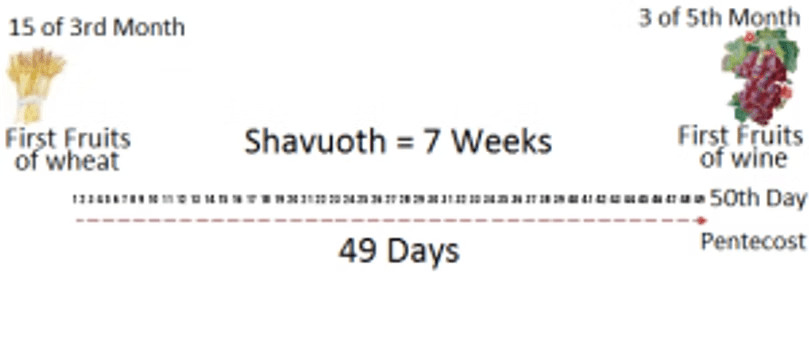
“for those to be us first fruits certain man ,” The “certain man” is Jesus of Nazareth, the Son of Man, who is the true vine – the vine of truth – from which the first fruits were James, Peter, and Paul, who were those first to be bodies in which Jesus was resurrected.
“the one of his created ,” Each Apostle-Saint is a reproduction of Jesus of Nazareth, in possession of the Christ Mind. All are the creations of God the Father, making all the Sons of God (regardless of human gender), as multiple Jesuses have been reborn as Anointed souls.
19 “so that ,” “That” is the rebirth of the Christ Spirit.
“brothers ourselves beloved ,” All are “brothers” (regardless of human gender) because all are of the same Father, and all are resurrections of the same Son. The totality of this replication of the Trinity in multiple human life forms is the wholeness of love, to and from God.
“let also every man swift in order this to hear ,” Whereas the onset of love for God comes through meditative, prayerful thought, listening to God’s whispers as to the meaning of His Word, the filling of a Saint with the Holy Spirit and the Christ Mind means one is given an instantaneous knowledge [wisdom] and understanding. A Saint immediately hears and knows the truth, because the brain has been bypassed by the Christ Mind.
“slow in order this to speak ,” When God speaks, one listens. One does not question what God says. One ponders anything that seems to go against all human teachings of religion. One absorbs an ownership of truth by proving the truth through tests of logic. To be a teacher, one has to first be taught; but when an Apostle opens his or her mouth, it is Jesus Christ that speaks.

“slow to anger ;” Anger is a response to evil; but anger is controlled by God’s influence. Anger promotes prayer, more than it promotes the ‘Old Testament style sword’ that destroys the wicked. Prayer can bring God’s punishment, which is more lasting than any physical wounds can bring. “Slow to anger” means the development of patience.
20 “anger indeed of man ,” Anger stems more often from the influences of evil, where the selfish desires of a soul are often not the results gained. Anger is then against one’s failures, but Satan will project those failures of self onto others, suggesting acts that harm one’s soul.
“righteousness of God not produces ,” When one is open to the influences of Satan, there can be no acts of righteousness as the result. One has turned away from God, instead serving evil.
21 “therefore ,” The Greek word “dio” means “wherefore,” derived from “diá, “across to the other side.” This one-word statement then places focus on the opposite of God’s influence, which is Satan’s.
“having put aside all filthiness and abounding of wickedness ,” When one turns away from the temptations of evil and the material plane’s traps, one’s soul has ceased being filthy by sins and addicted to the pleasures of selfishness.
“in humility receive the inborn word ,” The Greek word “prautés” means “mildness, gentleness, and humility,” but emphasizes a divine origin in “meekness (“gentle strength”) which expresses power with reserve and gentleness.” This is the surrender of self-ego and the sacrifice of a Big Brain, so all the noise of an evil world ceases and God’s Word can be heard.
“which has ability to save the souls of you .” Being able to hear the voice of God within is vital for one’s soul being saved.
22 “be moreover performers of [the] word ,” The Greek word “poiētai” means “doers, performers, and those who carry out.” [It can also identify a “poet.”] This is the theme of James, where faith without acts [deeds] is dead. (James 2:14-26) He is setting that theme up here. One’s actions should not be self-motivated or influenced by Satan’s whispers, but based on Scripture’s lessons, interpreted by the Christ Mind.

“and not listeners only ,” One who listens to the voice of Jesus and does nothing more is a Judas Iscariot.
“deceiving yourselves .” Judas was a disciple of Jesus of Nazareth as a traitor. Still, Judas was deceiving himself by not realizing Jesus knew he would betray him.
23 “because if any man a listener of [the] word is ,” Anyone who is allowed to hear the voice of God’s wisdom is expected to act on that knowledge.
“and not a performer ,” If one does not do the deeds spoken by God, one is like a wife who cheats on her husband. One who does not listen and obey is adulterous with self-ego love.
“this man is like one looking at face which natural of him in a mirror .” This element of “face” (from the Greek word “prosōpon,” also meaning “countenance”) is the First Commandment stated by God to Moses: “Not you shall have to you gods other upon the face of.” (Exodus 20:3) We recognize this as “Thou shall have no other gods before me,” losing grasp of the Hebrew word “pā·nā·ya,” which states “face of.” A “mirror” is then a reflection of one’s face worn (one’s “countenance”) before God, such that the only “face” God wants a wife of His to wear before Him is His face, demonstrating that wife (male and female He makes them) is completely subservient to God [not self or some other lesser god].

24 “he has looked indeed himself and has gone away ,” When one wears one’s self-face before God, it is the same as having turned one’s “face” away from God. That person has then gone away from God, towards whatever influence that person chooses to follow.
“and immediately has forgotten like what he was ,” One whose back is turned to God immediately forgets what the presence of God is like, as God is no longer there to guide that traitor.
25 “all however having looked intently at law perfect ,” Each individual who hears the voice of God within is able to deeply realize the perfection of God’s Law. From an inner wisdom illuminating one to the truth found in Scripture, the eyes can then see the perfection that each word contains. This is because all authors of holy text are writing from the perfection of God’s inner voice.
“that which of freedom ,” The Passover and the Exodus are the stories of the children of Israel being freed from the bondage of Egypt. From that freedom Moses gave them the Laws of God. One has to understand that Egypt reflects the control of the earthly plane, rather than the will of one Pharaoh who disliked foreigners in his nation. Freedom that comes from the perfection of God’s Laws is freedom from the trap of the same ole same ole that is reincarnation of a soul that is snared by sin. To gain that freedom from bondage, one must listen to the voice of God, see the perfection, and then act according to that Word.

“and having continued in ,” The freedom of bondage requires one continuously be led by God’s Will. When one allows oneself to be married to God, via His Holy Spirit, one then continues to be free of death and mortal pains. If, however, one continues to listen to the inner voice, but act in worldly ways, then one has lost the freedom of eternal life with God.
“not a listener forgetful having been ,” When one hears the inner voice speaking and takes heed, such that one’s soul does not fail to take notice (from the Greek word “epilésmoné”) of God’s guidance and direction, one is preparing to act upon that which is heard.
“but a performer of work —“ One then does the deeds of the LORD and sets aside the desires of the flesh. One does holy deeds, led by holy wisdom.
“this one blessed in the work of him will be .” Those who act to carry out God’s wishes are then blessed with happiness and good fortune (from the Greek word “makarios”), such that the favors of God show on one’s face (“countenance”). Others who see that Mosaic glow will be envious, such that seekers will come to one to inquire how they can also be happy and fortunate.
26 “if anyone seems religious to be ,” The Greek word “thrēskeia” means “ritual worship, religious, devout, and/or following ritual acts.” One appears to be religious by simply wearing the clothing of religious clerics. Some, such as Jesus witnessed the Pharisees doing, will make a point of being seen “acting” religious, rather than being religious. The Greek word “dokei” is rooted in the word “dogma,” where beliefs are ritualized and ceremoniously displayed. This means “seems to be religious” is the difference between “belief” and “faith,” where making a show of one’s beliefs is a form of works, deeds, and acts that appear religious. This is seen Biblically in the priests of Baal, who seemed to be religious, causing the Israelites to follow their leads. Those priests differed from the prophets of God, who demonstrated faith, which appeared to be rebelliousness instead of religious. Jews going to the synagogue on Saturday and Christians going to church on Sunday “seems to be religious.”

“not bridling tongue of himself ,” The Greek word “chalinagōgōn” means “to curb, restrain, sway and bridle.” To bridle one’s own tongue, one needs to cease letting one’s Big Brain speak for oneself, if one is to truly be religious. Knowing that Jesus never once spoke about any presidents of the United States of America (he cared little for Roman politics, so he cared none for those of our Western societies), any priest, preacher, minister, or pastor who stands at a podium and tells a congregation how to think, in terms of politics, is “not bridling his or her own tongue,” putting on the airs of being religious by wearing robes and tippets, but serving the priest of self will and political sway.
“but deceiving heart of himself ,” The way one speaks [remember “slow to speak”?] tells where one’s heart lies. A “heart of himself” is being in love with self-ego and leaving no room in one’s heart for God. Without one’s heart married to Yahweh, one speaks for self, which is deceiving those who listen to the words of someone “seeming to be religious,” but is actually doing the deeds of a wolf in sheep’s clothing. In one’s deceptions, one is also deceiving oneself, believing it is the clothes that makes the man (or woman).
“of this one worthless the religion .” Acting religious, while speaking words of self for others to follow is worthless (from the Greek word “mataios”). This is because the words of self-ego are: “vain, unreal, ineffectual, unproductive; practically: godless.” Without God’s word being spoken, one ceases to be following the ritual of servitude to the One God, thus one is absent of religion.
27 “religion pure and undefiled before the [one] God and Father this is :” The only religious ways are those directed by Yahweh. One acts as God commands, which is the deeds, acts, and works of purity. A religious person is undefiled by the world of selfishness and greed.
“to visit orphans and widows in tribulation of them ;” The Greek word “thlipsis” means “tribulation, persecution, distress, affliction.” The purpose of an Apostle-Saint is to go to where there is need and where others are seeking true religion. More than looking for children who have no parents, the Greek word “orphanos” means to go to the “Fatherless” and make God’s presence be known [“The kingdom of God has come near.”]. The widows are then those whose human husbands [or marriage to lesser gods] have died, offering them the hand of Yahweh in marriage. Religious seems to be going to visit orphanages and old folks homes; but true religion is making God be known, so all who seek His help can know the only thing that keeps one alone is one’s self-will and the freedom to be stubborn.
“unstained oneself to keep from the world .” The Greek word “aspilos” means “undefiled, pure, spotless, and morally unblemished.” This is the characteristics of one who is truly religious, who worships the One God through submission to His Will. One cannot be “unstained” in a world that is an influence to sin, without the presence of God within and letting His Will be done through His servant.
As the Epistle selection for the fifteenth Sunday after Pentecost, when one’s own ministry to the LORD should be underway – one is a listener and a doer of God’s Will – the message here is to stop acting religious and demonstrate one’s complete devotion to God above.
American Christians are the most giving peoples on the planet, as far as donations of money to every known possible charity under the sun; but how many of them are giving others the gift of the Holy Spirit and entrance into the brotherhood (regardless of one’s human gender) of those reborn as Jesus Christ?
The message of James is the same as the message found in all of the Epistles, written by all the Saints: Each individual must become resurrections of Jesus Christ. Anything less that that is either fear of commitment to God or pretense.


 Explaining the Readings